LiBDO – What Is It and How Does It Work?
LiBDO is a modern pelvic floor training method developed by Irina Pivtsaikina. It combines pelvic floor exercises, breathing techniques, and body awareness to improve strength, control, and intimate well-being.
What Is LiBDO Training?
LiBDO goes beyond traditional Kegel exercises. It focuses on:
- pelvic floor muscle activation
- breath coordination
- tension and relaxation control
- full-body integration
👉 It’s not just about contracting — it’s about how you control and feel your muscles
LiBDO Training Results
Regular LiBDO training may help:
- improve sexual satisfaction
- increase pelvic floor strength
- enhance muscle control
- reduce tension and stress
- support postpartum recovery
Who is Irina Pivtsaikina?
Irina is an intimate fitness trainer and the creator of the LiBDO method. Her approach combines physical training with awareness and control to improve intimate health and overall well-being.
How to Improve Your Results Faster
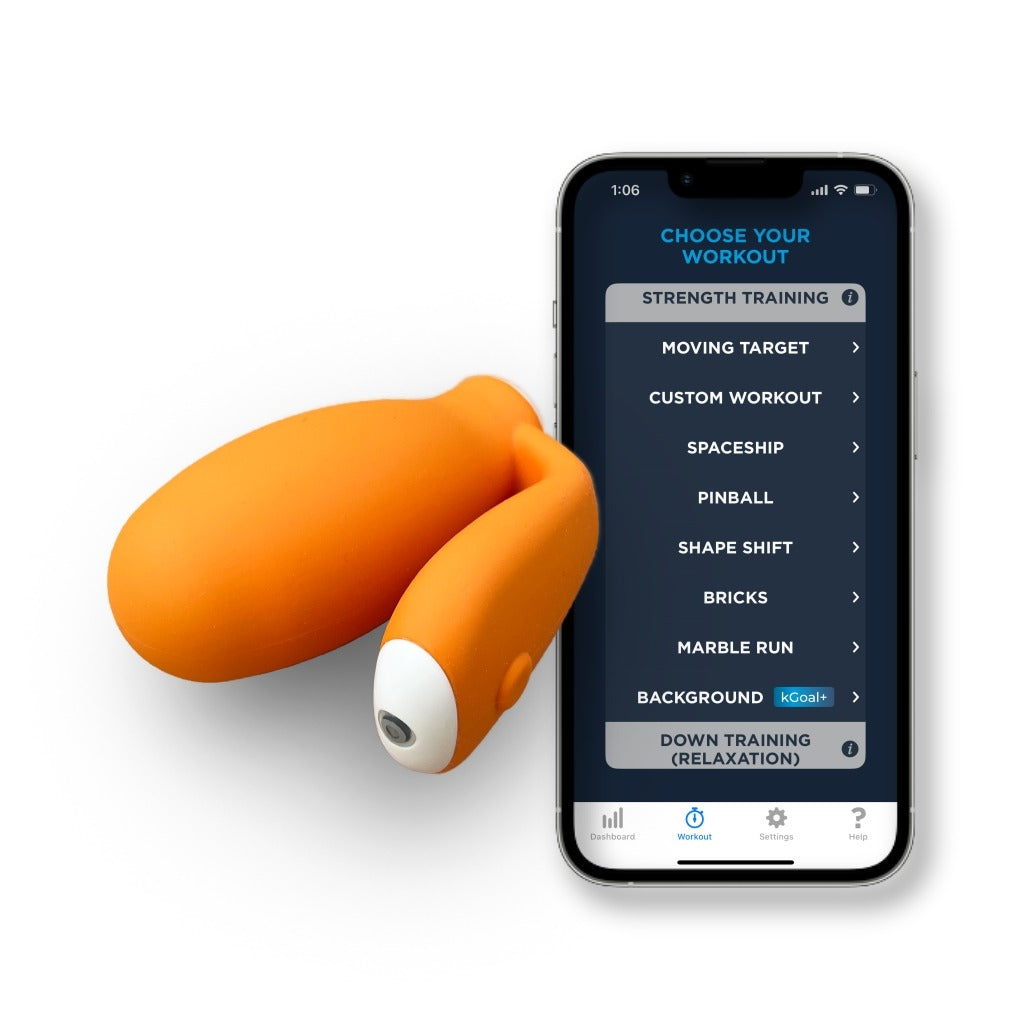
To get the most out of LiBDO training, many users combine it with biofeedback.
Devices like kGoal™ (internal) or Boost™ (non-insertable) allow you to:
- measure muscle activity
- improve technique
- track progress
👉 This helps you achieve results faster and train more effectively.
Looking for a More Structured Approach?
While LiBDO focuses on body awareness, breath, and coordination, some women benefit from a more structured, measurable training approach.
That’s where Dr. Ursula Herman’s course offers a complementary perspective.
The course “Unlock the Secret of Better Orgasms” combines pelvic floor training with biofeedback, guided protocols, and measurable progress.
Unlock the Secret of Better Orgasms
It focuses on:
- building strength step by step
- improving muscle activation and control
- tracking results over time
- integrating training into daily routine
👉 This makes it especially effective for women who prefer clear structure and visible progress
kGoal IntimFlex
Frequently Asked Questions
What is LiBDO training?
LiBDO is a modern pelvic floor training method created by Irina Pivtsaikina. It combines muscle activation, breathing, and body awareness to improve pelvic floor strength, control, and overall intimate well-being. Unlike basic Kegel exercises, LiBDO focuses on coordination, relaxation, and full-body integration.
How long does it take to see results?
Many users start noticing improved awareness and control within 2–4 weeks. Stronger muscles and enhanced intimate function typically develop with consistent training over 4–8 weeks. Results depend on starting condition and regularity.
Is LiBDO better than Kegels?
Traditional Kegels focus mainly on contracting the pelvic floor muscles. LiBDO goes further by teaching you how to properly contract, relax, and control these muscles in coordination with breathing and movement. This leads to more effective and sustainable results.
Who is LiBDO training for?
LiBDO is designed for women at different stages of life, including beginners, postpartum recovery, and those looking to improve intimate health and body awareness. It is also beneficial for active individuals who want better control and muscle function.
Can LiBDO improve sexual health?
Yes. By strengthening and improving control of the pelvic floor muscles, LiBDO training can enhance blood flow, sensitivity, and muscle coordination, which may lead to improved sexual satisfaction and stronger sensations.
Do I need any equipment for LiBDO?
You can start LiBDO training without equipment. However, using biofeedback devices like kGoal™ (internal) or Boost™ (non-insertable) can significantly improve technique, help you track progress, and accelerate results.
Is LiBDO suitable after childbirth?
Yes. LiBDO can support postpartum recovery by helping rebuild strength, improve control, and reduce tension. However, it is recommended to start after medical clearance and progress gradually.
How often should I train?
For best results, LiBDO training is typically recommended 3–4 times per week. Consistency is more important than intensity, especially in the early stages.